
How Professional Tile Cleaning Eliminates Calcium Buildup in Pools
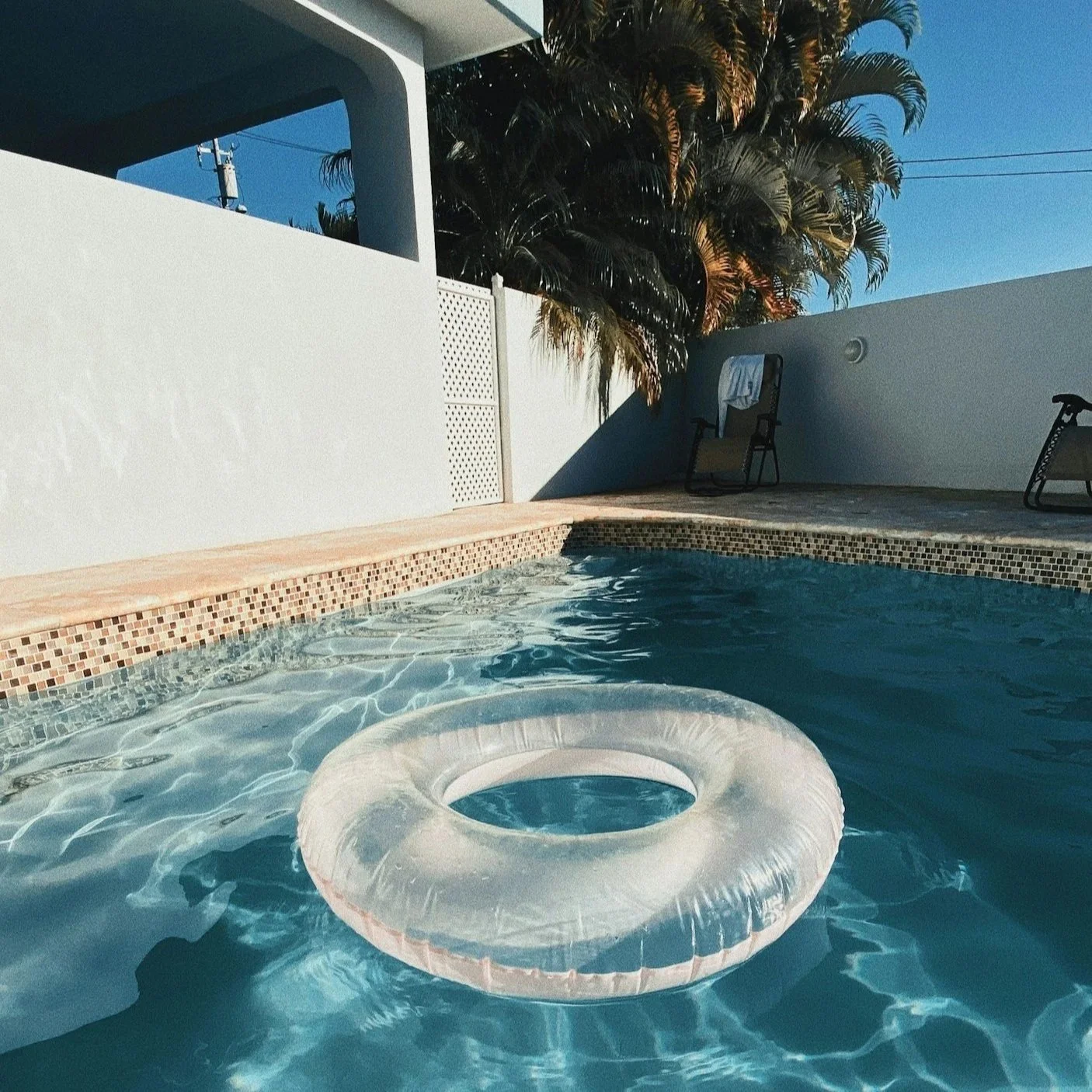
What often starts as a faint chalky line at the waterline can quickly evolve into a thick, crusted band that makes even a well-maintained pool look neglected.
Calcium buildup on pool tiles detracts from the beauty of a swimming area, leaving behind stubborn white deposits that diminish its appeal. What often starts as a faint chalky line at the waterline can quickly evolve into a thick, crusted band that makes even a well-maintained pool look neglected. From a professional standpoint, calcium scale is not just a cosmetic issue. It signals underlying water chemistry challenges and, if left untreated, can shorten the lifespan of pool surfaces and equipment. While routine pool care plays an important role in keeping the water clean, professional tile cleaning remains the most reliable way to thoroughly eliminate calcium buildup and protect the long-term condition of the pool.
Understanding Calcium Deposits On Pool Tiles
Calcium deposits form when mineral-rich water evaporates along the waterline, leaving behind residue that hardens over time. In regions with hard water, this process accelerates, especially during warmer months when evaporation rates are higher. As water repeatedly splashes against pool tiles and dries, minerals crystallize and adhere to the surface. Over time, these deposits become increasingly difficult to remove without specialized tools and techniques.
Professionals typically encounter two primary types of calcium buildup on pool tiles: calcium carbonate and calcium silicate. Calcium carbonate is the more common and generally easier to address. It often appears as a white, flaky, or powdery substance that can sometimes be reduced with mild acids or professional-grade cleaning methods. Calcium silicate, on the other hand, is far more stubborn. It forms when calcium carbonate combines with silicates in the water, creating a dense, cement-like layer that bonds tightly to tile surfaces. Once calcium silicate develops, household cleaning methods are rarely effective.
Accurately identifying the type of calcium buildup is critical. Applying the wrong method can waste time, increase costs, and even damage tile or grout. Experienced professionals assess texture, thickness, and adhesion before selecting a cleaning approach. This diagnostic step is one of the biggest advantages of professional service, as it verifies the treatment matches the specific condition of the pool rather than relying on trial-and-error.
The Impact Of Calcium Buildup On Pool Performance And Longevity
While calcium scale is most noticeable along the waterline, its effects reach far beyond surface appearance. As deposits thicken, they create rough, uneven surfaces that trap dirt, algae spores, and bacteria more easily. This reduces the effectiveness of routine sanitation and can lead to recurring water quality issues despite proper chemical treatment. Swimmers may also notice irritation from brushing against rough tile edges, which diminishes the comfort of the pool.
Calcium buildup can also interfere with pool circulation and filtration. When scale migrates from tile surfaces into skimmers, returns, and plumbing components, it restricts water flow. Reduced circulation places added strain on pumps and filters, forcing them to work harder to maintain proper turnover. Over time, this increased workload can lead to premature equipment wear and higher energy consumption. In severe cases, scale accumulation in plumbing lines can lead to blockages that require costly repairs.
Structurally, untreated calcium deposits can compromise grout lines and tile adhesion. As scale expands and contracts with temperature changes, it exerts pressure on surrounding materials. This movement can weaken grout, loosen tiles, and allow water to penetrate beneath the surface. Once moisture reaches the substrate, repairs become far more involved and expensive than routine professional cleaning would have been.
Specialized Cleaning Techniques For Lasting Results
Professional tile cleaning relies on a combination of experience, specialized equipment, and controlled techniques tailored to pool environments. One of the most effective methods used today is glass bead blasting. This technique uses extremely fine, eco-friendly glass beads propelled at controlled pressure to gently remove calcium deposits without damaging tile glaze or grout. Unlike traditional sandblasting, glass bead blasting is non-abrasive when performed correctly and leaves tiles smooth and restored rather than etched or dulled.
Another commonly used approach is precision pressure washing. Professionals adjust water pressure carefully to dislodge buildup while avoiding damage to grout lines or surrounding materials. This method is particularly effective in areas with uneven surfaces, decorative tile patterns, or tight corners where scale tends to accumulate. When paired with proper technique, pressure washing removes surface-level deposits efficiently and prepares the area for more targeted treatments if needed.
Chemical treatments also play a role, but professional-grade solutions differ significantly from retail products. These treatments are formulated to dissolve calcium deposits while minimizing exposure to surrounding materials and water chemistry. Professionals apply them strategically, closely monitor dwell times, and neutralize residues afterward to protect both the pool surface and swimmers. Improper chemical use can lead to etched tiles, weakened grout, or imbalanced water chemistry, which is why professional handling is essential.
In many cases, the most effective results come from combining multiple techniques. For example, heavy calcium silicate deposits may require initial mechanical removal, followed by chemical treatment to address residual deposits. Professionals tailor this approach to tile type, deposit severity, and overall pool condition, guaranteeing thorough removal without unnecessary risk.
Why Professional Tile Cleaning Outperforms DIY Methods
From a professional perspective, one of the most common misconceptions is that calcium buildup can be permanently resolved with household cleaners or repeated scrubbing. While these methods may offer temporary improvement, they rarely address the root of the problem. In fact, aggressive scrubbing with improper tools can scratch tile surfaces, creating micro-abrasions that attract even more mineral buildup over time.
Professional cleaning avoids these pitfalls by using tools and materials designed specifically for pool surfaces. Technicians understand how different tile materials respond to various treatments, whether the pool features ceramic, porcelain, glass, or natural stone. This knowledge allows them to remove buildup effectively while preserving the tile's original finish and structural integrity.
Another key advantage is efficiency. What might take a homeowner several weekends of effort often requires only a few hours of professional work. More importantly, professional results last longer because the deposits are fully removed rather than partially reduced. This reduces the frequency of future cleanings and helps stabilize water chemistry by eliminating surfaces that contribute to ongoing scale formation.
Preventative Maintenance To Reduce Future Buildup
While professional cleaning addresses existing calcium deposits, long-term prevention depends on consistent water management and maintenance strategies. Balanced water chemistry is the foundation of scale prevention. Maintaining proper pH, total alkalinity, and calcium hardness levels reduces the likelihood of minerals precipitating out of solution and bonding to tile surfaces. Professionals often recommend regular water testing and adjustments to keep these parameters within ideal ranges.
Routine brushing of pool tiles also plays a valuable role. By removing early-stage deposits before they harden, brushing reduces the likelihood that scale will develop into a more stubborn form. Professionals typically recommend using brushes designed for the specific tile type to avoid surface damage while maintaining cleanliness.
Water conditioners and scale inhibitors can further support prevention efforts. These products work by binding to calcium ions, keeping them suspended in the water rather than allowing them to settle on surfaces. When used correctly and consistently, they help slow the rate of scale formation, especially in areas with naturally hard water.
Periodic professional inspections are another effective preventative measure. During routine service visits, professionals can identify early signs of scaling, evaluate water chemistry trends, and recommend adjustments before buildup becomes severe. This proactive approach often saves pool owners significant time and expense in the long run.
The Role Of Professional Assessment And Custom Solutions
No two pools are exactly alike, which is why professional tile cleaning begins with a thorough assessment. Factors such as pool age, tile material, water source, usage patterns, and local climate all influence how calcium buildup forms and how best to remove it. Professionals evaluate these variables to develop a customized cleaning plan rather than relying on one-size-fits-all solutions.
For example, a pool filled with municipal water may experience different scaling patterns than one supplied by a private well. Similarly, pools with water features, spas, or negative-edge designs often see more aggressive buildup due to increased aeration and evaporation. Professionals factor in these details to ensure the cleaning process addresses both visible deposits and underlying contributors.
This tailored approach extends beyond cleaning itself. Professionals often provide guidance on adjusting maintenance routines, upgrading filtration components, or modifying chemical programs to manage calcium levels better. These recommendations are based on real-world experience and an understanding of how pool systems function as a whole.
Protecting Tile, Grout, And Pool Finishes
One of the most important priorities in professional tile cleaning is protecting the integrity of pool finishes. Tiles and grout are not only decorative elements but also protective barriers that shield underlying structures from constant water exposure. Improper cleaning methods can erode these surfaces, leading to costly repairs or resurfacing projects.
Professional techniques focus on controlled removal rather than aggressive abrasion. Glass bead blasting, when performed by trained technicians, removes scale without compromising tile glaze or grout strength. Chemical treatments are applied selectively and neutralized properly to prevent long-term damage. This careful balance between effectiveness and preservation is difficult to achieve without professional training and equipment.
By maintaining smooth, intact tile surfaces, professional cleaning also supports easier ongoing maintenance. Smooth tiles resist buildup more effectively than rough or etched surfaces, making future cleaning efforts more efficient and less frequent.
The Long-Term Value Of Professional Tile Cleaning
From a cost perspective, professional tile cleaning represents an investment in the longevity and performance of a pool. While it may seem like an optional service, regular professional cleaning often reduces the need for more extensive repairs down the line. By preventing scale-related damage to tiles, grout, and equipment, pool owners can avoid the costs of tile replacement, plumbing repairs, or premature resurfacing.
There is also value in consistency. Pools that receive periodic professional attention tend to maintain more stable water chemistry, experience fewer equipment issues, and retain their visual appeal year after year. This consistency is particularly important for commercial pools, vacation rentals, or properties where first impressions matter.
Beyond financial considerations, professional tile cleaning enhances the overall swimming experience. Clean, smooth tiles improve comfort, water clarity, and visual appeal. Swimmers notice the difference, even if they cannot immediately identify the cause. A pool that looks and feels well-maintained invites use and enjoyment, reinforcing the value of professional care.
A Professional Standard For Pool Care
A clean and well-maintained pool reflects more than routine upkeep; it demonstrates attention to detail and respect for the investment a pool represents. Professional tile cleaning effectively removes calcium buildup, restoring the pool's original beauty while protecting its structural components. By combining specialized techniques, informed assessment, and preventative guidance, professionals deliver results that extend beyond surface-level improvement.
For pool owners seeking lasting solutions rather than temporary fixes, professional tile cleaning remains the most reliable approach. It addresses calcium buildup at its source, preserves tile integrity, and supports the long-term health of the entire pool system. The result is a cleaner, safer, and more inviting swimming environment that stands the test of time.
Pool Tile Cleaning Vegas offers a complete, one-stop solution for professional pool tile cleaning, including calcium removal and acid washing. Our family-owned, experienced team services all types of pool tiles with a focus on quality, efficiency, and long-term performance. Whether you need a thorough deep clean or routine maintenance, we provide free at-home estimates and fast, reliable service. Schedule your pool tile service today and enjoy sparkling, well-maintained pool tiles.
Pool Tile Cleaning Vegas offers a complete, one-stop solution for professional pool tile cleaning, including calcium removal and acid washing. Our family-owned, experienced team services all types of pool tiles with a focus on quality, efficiency, and long-term performance. Whether you need a thorough deep clean or routine maintenance, we provide free at-home estimates and fast, reliable service. Schedule your pool tile service today and enjoy sparkling, well-maintained pool tiles.
