
Safe Pool Draining: Key Steps to Prepare for Tile Restoration
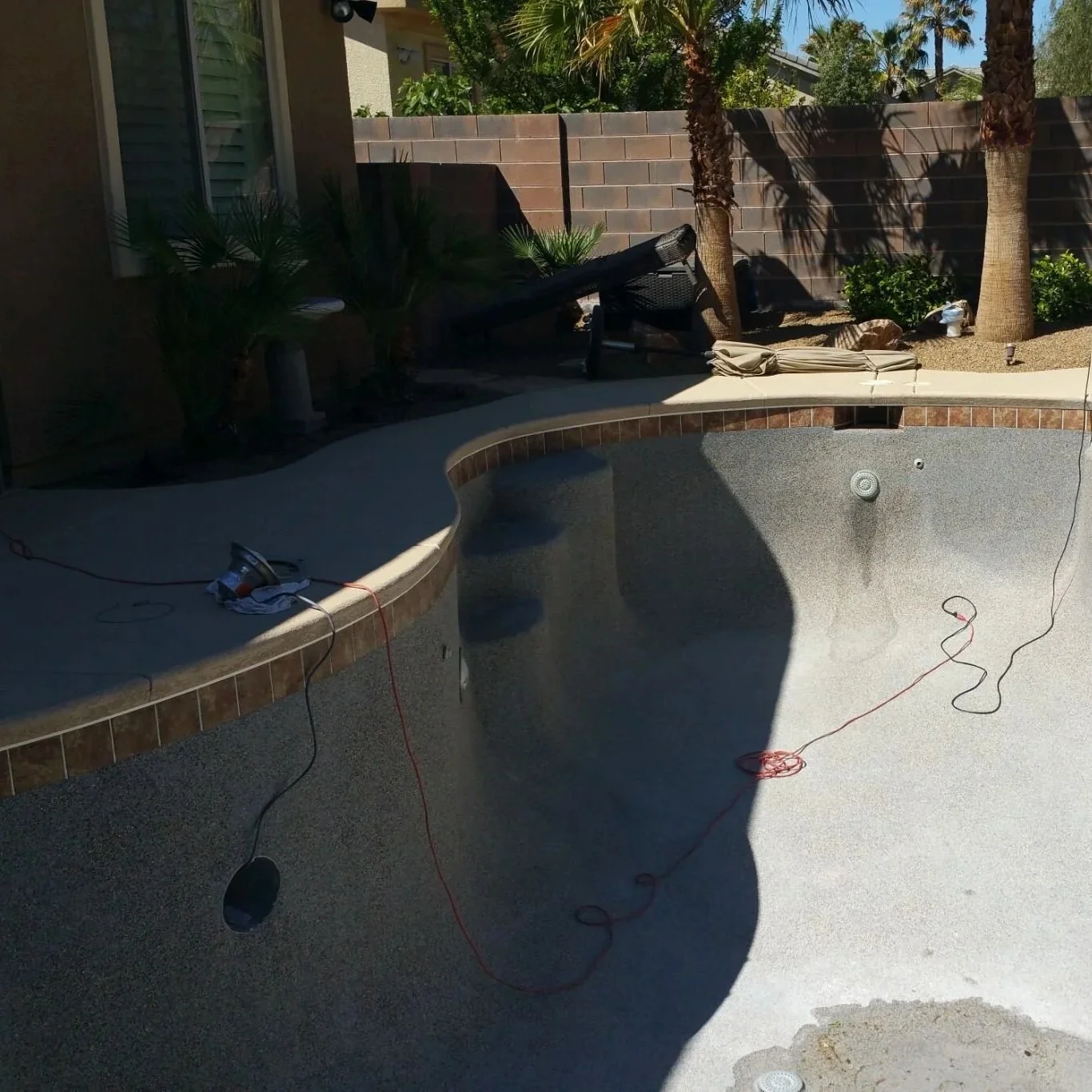
Tile restoration depends heavily on how well the pool-draining process is planned and executed.
Pool draining sits at the intersection of risk management and restoration. In places like Las Vegas, Nevada, and other desert markets such as Phoenix and Tucson, pool owners often underestimate the preparation required to drain a pool safely before tile restoration begins. From the outside, it can look straightforward. Lower the water, clean the tiles, refill the pool, and move on. In practice, every step influences the next, and mistakes made during preparation can turn a cosmetic project into a structural problem.
Tile restoration depends heavily on how well the pool-draining process is planned and executed. Draining without preparation exposes surfaces to stress, environmental damage, and uneven results. Proper preparation sets the stage for effective cleaning while protecting the pool shell, plumbing, and surrounding property. Pool draining done intentionally allows tile restoration to deliver results that last, rather than creating new problems that surface months later.
Understanding Why Preparation Matters Before Pool Draining
Pool draining changes a pool's structural and chemical behavior the moment water starts leaving the shell. Water provides weight and balance that counteract soil pressure and stabilize the structure. Removing that water immediately alters the forces acting on the pool, which is why preparation matters long before the first gallon is pumped out.
Preparation allows professionals to assess conditions that affect how draining should proceed. Soil composition, recent weather, irrigation patterns, and pool age all influence how a pool reacts once water levels drop. Desert regions reduce groundwater risk compared to wetter climates, but irrigation systems, landscaping runoff, and compacted soils still play a role in how pressure shifts around the pool shell.
Tile restoration depends on stability. If a pool shifts, cracks, or develops stress fractures during draining, tile cleaning becomes secondary to repairs. Proper preparation identifies risks early and adjusts the draining approach to protect the pool while still achieving full tile access.
Evaluating Pool Structure Before Draining Begins
Every pool carries a history written into its structure. Age, materials, construction methods, and past repairs all influence how a pool responds to draining. Concrete pools, plaster finishes, and tile installations behave differently under stress, making evaluation a critical step before tile restoration.
Professionals examine the pool shell for existing cracks, hollow spots, or surface irregularities that could worsen during draining. Even minor flaws can expand when the water weight disappears. Older pools may have settled over time, creating stress points that only reveal themselves once the pool is empty.
Tile restoration relies on a stable substrate. Draining without understanding structural condition risks loosening tiles, widening cracks, or exposing weaknesses that compromise restoration results. Preparation gives professionals the information needed to proceed safely rather than react to problems mid-process.
Assessing Plumbing And Equipment Before Pool Draining
Pool draining affects more than the shell and tile surface. Plumbing lines, drains, and equipment all respond to pressure changes when water levels drop. Preparation includes evaluating how systems will behave once water flow stops and air enters the lines.
Hydrostatic relief systems play a critical role during draining. These components allow pressure beneath the pool to equalize, reducing the risk of uplift. Professionals verify that relief mechanisms function properly before draining begins. Ignoring these systems increases the chance of structural movement even in dry climates.
Equipment preparation matters as well. Pumps, filters, and heaters require proper shutdown and isolation to avoid damage. Tile restoration works best when systems remain protected throughout the draining and cleaning, rather than requiring repair afterward.
Timing Pool Draining Around Environmental Conditions
Environmental timing influences both safety and restoration quality. In Las Vegas and surrounding desert regions, temperature swings, wind, and sun exposure affect how a drained pool behaves. Preparation includes selecting the right window for draining based on current and forecasted conditions.
Extreme heat accelerates drying, which can cause surface stress if not managed properly. Wind introduces dust and debris that settle on exposed tiles, complicating restoration efforts. Sudden storms or nearby heavy irrigation can quickly change soil moisture levels, affecting pressure beneath the pool.
Choosing the right timing minimizes environmental stress and supports consistent tile restoration results. Preparation allows professionals to align the draining process with favorable conditions rather than forcing it under less predictable circumstances.
Lowering Water Levels In A Controlled Manner
Pool draining rarely happens all at once. Controlled water removal allows professionals to monitor how the pool responds as levels drop. Preparation includes determining the rate of drainage and identifying checkpoints where conditions are reassessed.
Gradual draining reduces sudden stress on the pool shell and surrounding soil. Professionals watch for signs of movement, cracking, or unusual sounds that indicate pressure changes. If concerns arise, draining can be paused while adjustments are made.
Tile restoration benefits from this controlled approach because it protects the integrity of the surfaces being restored. Rushing the draining process increases risk without improving results, making preparation a key factor in project success.
Protecting Pool Surfaces During Exposure
Once water levels drop, pool surfaces face new exposure risks that do not exist underwater. Sunlight, heat, and direct air contact begin altering how plaster, tile, and grout behave. Without preparation, these changes can lead to drying stress and surface instability. Proper planning confirms that materials remain protected throughout the exposure period.
Direct sunlight can dry surfaces unevenly, increasing the risk of microcracking and surface stress. Professionals may shade sections of the pool or schedule work during cooler parts of the day. Keeping surfaces damp when appropriate helps regulate temperature and slow moisture loss. These measures reduce damage while maintaining stable cleaning conditions.
Tile restoration requires surfaces to remain stable during every phase of cleaning. Preparation addresses exposure risks before draining begins rather than reacting afterward. Anticipating environmental stress protects tile edges and grout lines from deterioration. Proactive surface protection supports consistent and reliable restoration results.
Preparing Tiles And Grout For Restoration
Tile restoration depends on more than simply gaining access to surfaces. Preparation includes evaluating tile condition, grout integrity, and any prior repair work. Draining exposes buildup and wear that may not be visible underwater. Early assessment establishes realistic expectations before cleaning begins.
Professionals look for loose tiles, eroded grout, and previous patchwork that could complicate restoration. Identifying these issues early allows cleaning methods to adjust safely. This prevents aggressive techniques from worsening existing weaknesses. Proper evaluation minimizes the risk of damage during restoration.
Preparation aligns expectations with the pool's actual condition. Restoration delivers better results when structural concerns are addressed alongside cleaning. Ignoring these factors often leads to uneven outcomes. Addressing them improves both durability and appearance.
Managing Debris And Contamination During Pool Draining
As water drains, debris settles and becomes concentrated at low points. Leaves, dust, oils, and residue collect where water last remains. Without planning, this material can interfere with tile restoration. Preparation includes controlling debris before cleaning begins.
Professionals position pumps and filtration tools to remove debris efficiently. This prevents contaminants from spreading across tile surfaces during restoration. Early removal improves cleaning effectiveness and rinse quality. Proper sequencing prevents surfaces from being recontaminated.
Failing to manage debris can leave residue after cleaning. Remaining contaminants undermine the quality and longevity of restoration. Preparation keeps the focus on tile surfaces rather than preventable messes. Clean conditions support consistent results.
Safety Considerations For Pool Draining Projects
Pool draining introduces physical hazards that require careful preparation. Slippery surfaces, open drains, and exposed equipment increase risk. Without planning, these hazards can disrupt work or cause damage. Safety considerations guide the entire process.
Professionals establish secure access points and clear work zones. Equipment is stabilized to prevent shifting or accidental contact. Protective steps also shield the surrounding landscaping and hardscape. These measures protect both workers and property.
Tile restoration benefits from consistent safety protocols throughout the project. Preparation reduces the chance of accidents and delays. A controlled environment supports steady progress. Safety directly influences quality outcomes.
Coordinating Pool Draining With Tile Cleaning Methods
Different tile cleaning methods respond differently to drained conditions. Preparation aligns draining schedules with the techniques used during restoration. Chemical treatments, mechanical cleaning, and rinsing all require stable surfaces. Coordination ensures each method performs as intended.
Exposure time influences product choice and application timing. Some treatments require controlled moisture or temperature ranges. Preparation prevents rushed cleaning that sacrifices quality. It also avoids overexposure that risks surface damage.
Tile restoration works best when draining and cleaning operate together. Treating them as separate steps reduces effectiveness. Coordinated planning improves consistency across all surfaces. Integration leads to stronger results.
Preventing Long-Term Issues After Pool Draining
Preparation extends beyond the draining phase of restoration. Planning includes how the pool will be refilled and stabilized afterward. Improper refilling can reverse cleaning progress. Long-term results depend on post-restoration conditions.
Professionals control refill rates and carefully adjust initial water chemistry. This protects freshly cleaned tiles and grout from flash staining. Balanced water prevents uneven mineral deposition. Early control preserves restoration quality.
Tile restoration lasts longer when preparation considers the full process. Draining, cleaning, and refilling must work together. Stopping at appearance alone limits results. Comprehensive planning ensures durability.
Integrating Pool Draining Into Ongoing Maintenance
Pool draining works best as part of an ongoing maintenance strategy. Preparation includes educating owners on post-restoration care. Clear guidance helps preserve results. Maintenance habits directly affect longevity.
Routine brushing and balanced water chemistry slow future buildup. Periodic inspections reduce the need for aggressive cleaning. Preparation sets realistic maintenance expectations. Consistency protects the investment.
A well-prepared draining project supports long-term pool health. It prevents cycles of repeated intensive interventions. Maintenance planning reinforces restoration benefits. Owners experience sustained performance and appearance.
FAQs
Why is preparation so important before pool draining?
Preparation identifies structural, environmental, and system-related risks before draining begins. This step helps protect the pool shell, surrounding soil, and internal systems while also improving the overall results of tile restoration by ensuring conditions are controlled from the start.
Can pool draining be done safely in desert areas?
Yes, pool draining can be done safely in desert regions when handled professionally. Proper planning around soil conditions, temperature, and timing helps prevent issues like structural stress or ground shifting during the draining process.
How long should a pool stay drained during tile restoration?
The length of time a pool remains drained depends on the restoration method and environmental conditions. Proper preparation helps minimize how long the pool is empty while still allowing enough time for thorough cleaning and effective tile work.
What happens if pool draining is rushed?
Rushed draining increases the risk of structural damage, surface cracking, and uneven stress on the pool shell. It can also lead to poor tile restoration results, which may require additional repairs and increase overall project costs.
Does pool draining affect plumbing systems?
Yes, draining a pool impacts plumbing systems due to changes in pressure and water flow. Proper preparation includes protecting plumbing lines and verifying hydrostatic relief systems to prevent damage during the draining process.
Pool Tile Cleaning Vegas offers a complete, one-stop solution for professional residential and commercial pool tile cleaning, including pool draining and media blasting. Our father-son-run, experienced team services all types of pool tiles with a focus on quality, efficiency, and long-term performance. Whether you need deep cleaning for your home pool or commercial pool maintenance, we provide competitive pricing and trusted results. Schedule your pool tile service today and enjoy sparkling, well-maintained pool tiles.
