
How Professional Pool Draining Enhances Tile Cleaning Results
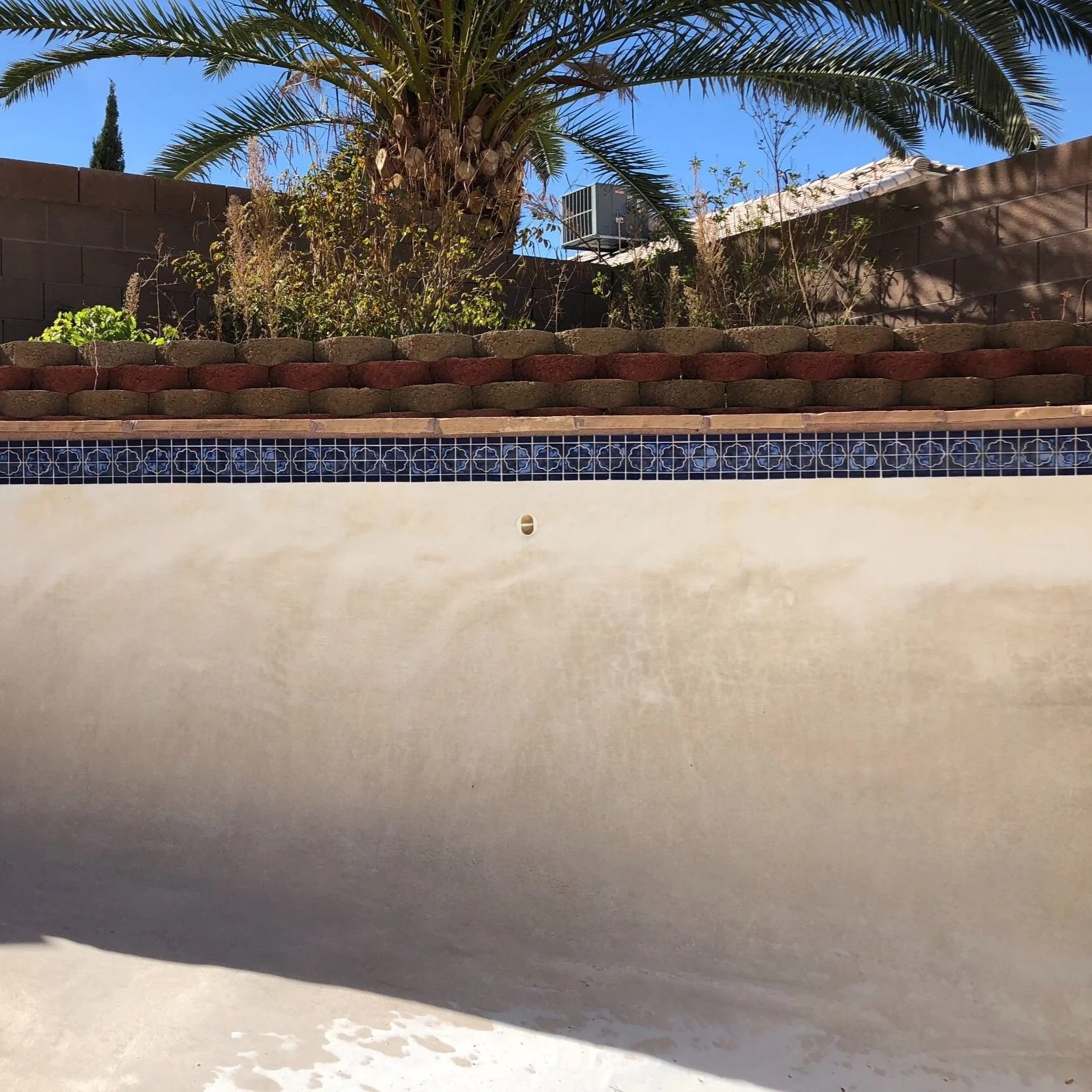
Tile cleaning looks good for a short time, then mineral buildup, staining, and discoloration creep back faster than expected.
Pool owners throughout Las Vegas, NV, and neighboring desert cities like Phoenix and Tucson often put a lot of effort into keeping their pools clean. Skimming leaves, brushing walls, balancing chemicals, and running filtration systems all seem like enough to keep tile surfaces looking sharp. Yet many owners notice a frustrating pattern. Tile cleaning looks good for a short time, then mineral buildup, staining, and discoloration creep back faster than expected. That cycle leaves people wondering whether they are missing a step rather than missing effort.
Professional pool draining addresses that missing step by removing the biggest obstacle to truly effective tile cleaning: the water itself. As long as a pool remains filled, tile cleaning methods operate with limitations in access, visibility, and consistency. Draining a pool under professional supervision opens the door to deeper, more controlled cleaning that reaches areas routine maintenance never fully touches. Understanding why draining makes such a difference helps explain why tile cleaning results often improve dramatically once water is removed and surfaces are fully exposed.
Why Pool Water Limits Tile Cleaning Effectiveness
Water creates a barrier between cleaning tools and tile surfaces. While brushing reaches the visible waterline, much of the tile remains submerged. Mineral buildup extends below the surface, where calcium, oils, and residue accumulate beyond the reach of consistent pressure. Over time, this hidden buildup thickens, leading to uneven cleaning results.
Chemical cleaners face similar challenges underwater. Solutions dilute quickly, reducing their ability to break down mineral deposits or stains. Circulation disperses cleaners before they can work effectively, limiting the depth and duration of contact. This results in surface improvement without full removal, leading to stains and scale returning.
Visibility is another overlooked factor. Water distorts perception, especially in bright desert sunlight, making tiles appear cleaner than they are. Once water levels drop, hidden discoloration becomes obvious. Without draining, cleaning addresses only visible areas rather than the full tile surface.
What Professional Pool Draining Actually Involves
Professional pool draining is a carefully planned process, not a simple act of removing water. Before any draining begins, professionals evaluate pool construction, age, surface materials, and surrounding soil conditions. In desert regions, groundwater levels tend to be lower, but seasonal storms, irrigation patterns, and soil composition still influence how safely a pool can be drained.
Water removal happens in a controlled manner to reduce stress on the pool shell. Removing water too quickly alters pressure dynamics, which can cause cracking, shifting, or lifting of the pool structure. Professionals manage pump rates and monitor conditions throughout the process, adjusting as needed to protect the pool.
Once drained, the pool enters a phase that routine maintenance never allows. Every tile surface becomes visible and accessible. Professionals can assess buildup patterns, grout condition, and surface wear without distortion. That full exposure provides the foundation for effective tile-cleaning decisions rather than guesswork based on partial visibility.
How Draining Improves Access To Tile Surfaces
Access is one of the most important advantages of pool draining. With water removed, tile surfaces can be cleaned evenly from top to bottom. Tools make full contact with the surface, rather than working around water resistance or limited reach. That consistency allows cleaning methods to remove buildup completely rather than skimming only the upper layers.
Grout benefits significantly from this access. Grout lines often collect minerals and debris below the waterline, where brushes struggle to reach consistently. Once drained, grout can be cleaned thoroughly, restoring uniform color and texture. That uniformity reduces areas where minerals anchor quickly once the pool refills.
Dry access also allows professionals to adjust technique instantly. Pressure, angle, and contact can change based on how the surface responds. That level of control does not exist underwater, where resistance and limited feedback make precision difficult. Draining creates conditions where cleaning methods perform as intended rather than being compromised by the environment.
Why Tile Cleaning Results Last Longer After Draining
Tile cleaning performed on a drained pool typically lasts longer because the buildup gets removed more completely. When deposits are addressed at their base, fewer mineral anchors remain to attract new accumulation. Underwater cleaning often leaves behind microscopic remnants that serve as starting points for rapid re-accumulation once evaporation resumes.
Dry surface cleaning also improves rinsing effectiveness. Cleaning agents and loosened debris can be flushed away thoroughly rather than dispersing into the pool water. That thorough rinsing reduces residue that might otherwise interfere with water chemistry or promote faster staining.
Longer-lasting results translate into less frequent deep maintenance. Pool owners often notice that routine brushing becomes more effective after professional draining and cleaning. Instead of fighting recurring scale, maintenance shifts back toward prevention rather than correction.
The Relationship Between Pool Draining And Deep Cleaning Methods
Many deep tile cleaning methods work best, or only, when surfaces are dry. Techniques designed to dissolve mineral deposits or lift embedded staining rely on controlled contact time and concentration. Water disrupts both by diluting solutions and shortening reaction periods.
On dry surfaces, professionals can visually monitor reactions. Changes in color, texture, and residue provide immediate feedback that guides technique adjustments. That responsiveness reduces the risk of uneven cleaning or surface damage. Underwater, those visual cues remain obscured.
Deep cleaning without draining often involves compromises. Methods must work around water rather than with ideal conditions. Draining removes those compromises, allowing cleaning approaches to reach their full effectiveness while protecting tile finishes and grout integrity.
Structural Safety Considerations During Pool Draining
Draining a pool introduces structural considerations that demand professional oversight. Pool shells rely on the weight of water to counterbalance pressure from surrounding soil. Removing that weight immediately changes the balance. If not managed properly, the pool can crack, shift, or lift from the ground.
Professionals assess soil conditions, recent rainfall, and irrigation patterns before draining. Desert regions reduce groundwater risk, but sudden changes still occur. Monitoring continues throughout the draining process to detect pressure changes early.
Improper draining leads to damage that overshadows any cleaning benefit. Structural repairs cost far more than professional draining and cleaning combined—experience and planning separate safe draining from costly mistakes.
How Draining Reveals Hidden Tile And Grout Issues
Draining a pool often reveals issues that remained hidden for years. Hairline cracks in grout, uneven wear, and discoloration beneath the waterline become visible once the surfaces dry. Those issues explain why cleaning results may have felt inconsistent or short-lived.
Early detection matters. Cracked grout allows water to penetrate behind tiles, weakening the bond over time. Addressing those problems during a drain cleaning prevents tile failure that would otherwise require replacement.
Visibility also helps owners understand the true condition of their pool. Seeing tiles exposed provides clarity on why deeper maintenance is necessary and reinforces the value of comprehensive care rather than surface-level fixes.
Why DIY Pool Draining Creates Problems
Many pool owners consider draining their pool themselves to save money. Unfortunately, DIY draining introduces significant risks. Without proper assessment, water often gets removed too quickly or at the wrong time, increasing structural stress.
DIY draining frequently ignores soil conditions and pressure dynamics. Pumps remove water without monitoring, leaving the pool vulnerable to movement. Equipment damage and surface staining also occur when drainage is poorly planned.
Even when structural issues do not arise, DIY tile cleaning usually falls short. Consumer tools and techniques rarely match professional results, leaving owners with an empty pool and unfinished restoration that still requires professional correction.
The Role Of Professional Equipment In Tile Cleaning After Draining
Professional tile cleaning relies on equipment designed for dry surface work. These tools provide controlled pressure and consistent contact, removing buildup without scratching or gouging tiles. Consumer-grade tools often lack that precision. Professional systems are calibrated specifically for hardened mineral deposits common along drained waterlines.
Professional equipment also improves efficiency. Large surface areas get cleaned evenly, reducing fatigue and error. That consistency matters when restoring visual uniformity along long waterlines. Faster, more even coverage also reduces the time surfaces remain exposed during draining.
Combined with experience, specialized equipment elevates tile cleaning results beyond what routine methods achieve. Draining creates the environment where those tools can perform as intended. This combination delivers predictable results that improvised or underwater approaches cannot match. Proper tool selection secures both effectiveness and surface protection.
Environmental Factors In Desert Pool Draining
Desert climates influence every aspect of pool draining. High temperatures accelerate drying, which can affect how surfaces respond to cleaning. Professionals carefully plan timing to avoid extreme heat that can stress materials or cause uneven reactions. Early morning or seasonal scheduling helps manage these conditions effectively.
Wind introduces dust during draining and cleaning. Protective measures keep surfaces clean and prevent contamination that would compromise results. Barriers and sequencing reduce the chance of debris settling on freshly cleaned tile. Managing airborne debris is essential in open desert environments.
Understanding regional conditions allows professionals to adapt methods appropriately. That local experience plays a major role in achieving consistent, high-quality tile cleaning outcomes. Desert-specific planning reduces risk and improves overall efficiency. Experience in the climate directly impacts final results.
Long-Term Maintenance Benefits Of Professional Draining
Professional draining supports long-term maintenance by resetting surface conditions. Removing deep buildup reduces stress on tiles and grout, extending their lifespan. Clean surfaces resist future accumulation more effectively. This makes routine maintenance simpler and less abrasive over time.
Draining also creates opportunities to inspect equipment and structural elements. Identifying issues early prevents unexpected failures and costly repairs later. Small problems are easier to address when surfaces are fully visible. Preventive inspection adds long-term value to the service.
Over time, pools that receive periodic professional draining and deep cleaning require less aggressive maintenance. Owners enjoy an improved appearance and lower long-term costs. Consistent care reduces the need for emergency interventions. The pool remains easier to maintain year after year.
Common Misconceptions About Pool Draining
Some owners believe draining always damages pools. Damage results from improper draining, not from professional procedures. Controlled draining protects structures while delivering clear benefits. Correct sequencing and monitoring prevent pressure-related issues.
Another misconception suggests that draining is unnecessary for tile cleaning. While light maintenance can be done underwater, deep, lasting results often require full access. Certain buildup simply cannot be removed effectively below the waterline. Draining provides the access needed for thorough restoration.
Some assume draining must happen often. In reality, professional draining occurs only when conditions justify it, often every few years rather than annually. Frequency depends on buildup, water chemistry, and maintenance history. Strategic scheduling avoids unnecessary service while preserving results.
Important Questions About Professional Pool Draining
What is professional pool draining?
Professional pool draining involves controlled water removal with assessment and monitoring to protect pool structure and surfaces while allowing deeper maintenance. The process includes evaluating groundwater conditions, surface materials, and structural integrity before lowering water levels to prevent unnecessary stress or damage.
Why does draining improve tile cleaning results?
Draining provides full access, visibility, and control, allowing buildup to be removed completely and evenly across all tile surfaces. Without water interference, technicians can address stubborn calcium deposits more precisely and ensure consistent cleaning along the entire waterline.
Is pool draining safe in desert climates?
Pool draining is safe when handled professionally. Dry conditions help, but proper planning and monitoring remain essential. Technicians must account for temperature, sun exposure, and structural considerations to reduce risk while the pool is empty.
How often should a pool be drained for tile cleaning?
Frequency depends on the severity of the buildup and maintenance habits. Many pools benefit from professional draining every few years. Consistent water chemistry management may extend the time between full drains while still maintaining clean tile surfaces.
Can pool draining damage tiles or structure?
Improper draining can cause damage. Professional procedures manage pressure, timing, and conditions to protect tiles and the pool shell. Careful oversight helps prevent cracking, shifting, or surface stress during the draining and refilling process.
Pool Tile Cleaning Vegas offers a complete, one-stop solution for professional pool tile cleaning, including calcium removal and acid washing to pool draining and media blasting. Our experienced team services all types of pool tiles with a focus on cleanliness, durability, and long-term performance. Whether you need deep cleaning or routine maintenance, we provide on-the-spot estimates and trusted results. Contact us today and enjoy sparkling, well-maintained pool tiles.
