
The Best Techniques for Calcium Removal from Pool Tile Surfaces
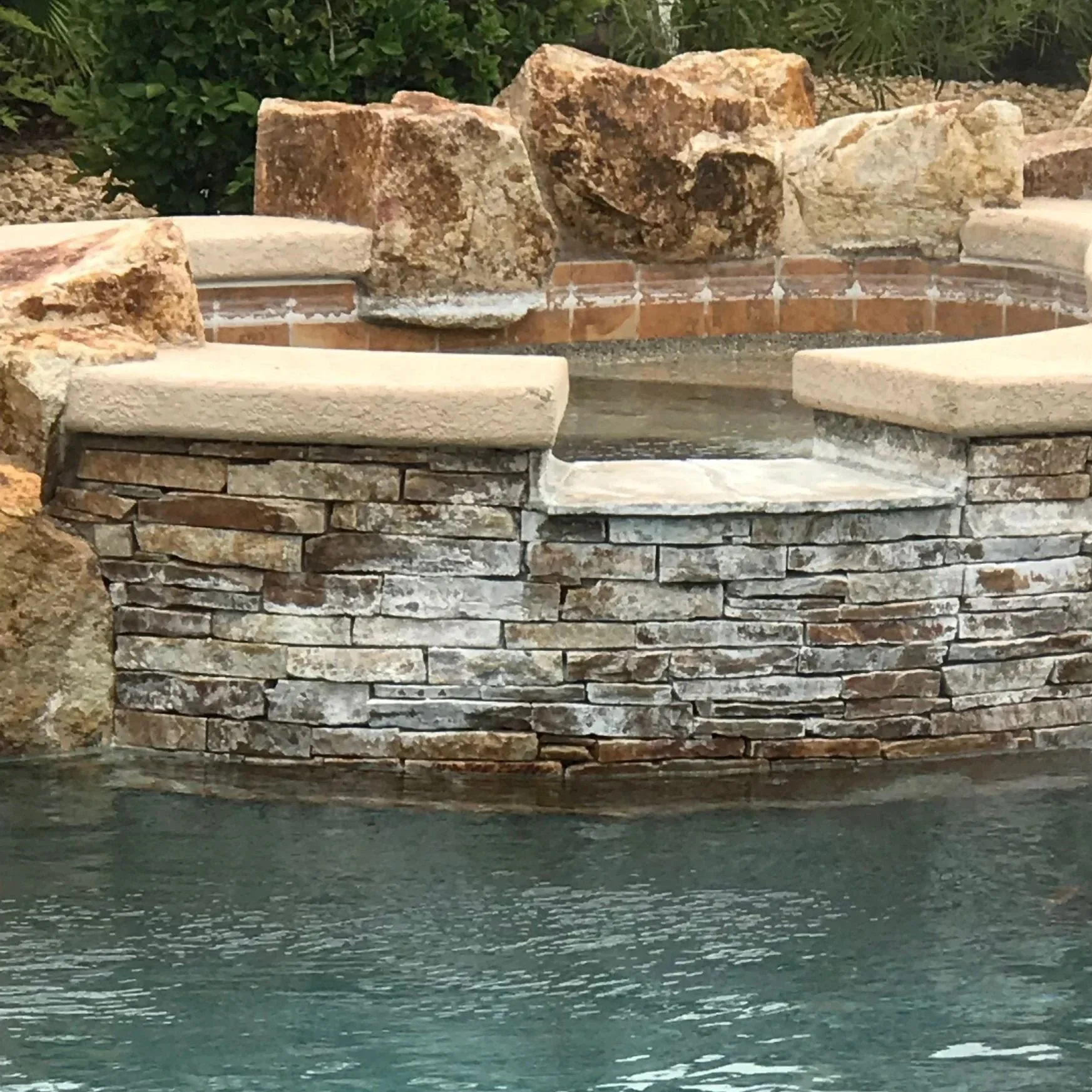
Experts who have spent years working around pools and exterior surfaces can tell you that calcium removal from pool tile surfaces is one of the most common frustrations homeowners face.
White crust on your pool tile waterline again? You scrub it, the white ring fades for a week, and then it creeps back like it owns the place. That chalky buildup along your pool tile waterline makes the whole backyard look neglected, even when the water is clear.
Experts who have spent years working around pools and exterior surfaces can tell you that calcium removal from pool tile surfaces is one of the most common frustrations homeowners face. You balance the chemicals, you run the pump, you brush the walls, and yet that stubborn white line keeps forming right where everyone can see it. Beyond the cosmetic issue, heavy buildup can become rough to the touch, trap debris, and make routine cleaning more difficult than it should be.
Understanding what you are looking at is the first step toward handling it correctly and preventing it from coming back stronger each season.
What is That White Crust On My Pool Tile?
That question shows up in search bars constantly, usually after someone has tried scrubbing with a household cleaner and gotten nowhere. Most calcium removal from pool tile surfaces starts with identifying the type of deposit. Not all white buildup behaves the same way.
Calcium carbonate is the more common and usually the easier of the two to deal with. It looks chalky and powdery, and often flakes off when lightly scraped. It forms when water evaporates, leaving dissolved minerals behind along the tile line. Hard water, high pH, and hot weather accelerate that process. If ignored, the residue thickens and hardens over time, making simple brushing less effective.
Calcium silicate is more stubborn. It feels harder, almost like cement, and bonds tightly to the tile surface. It often develops when water chemistry has been off for an extended period, especially with high calcium hardness and improper pH balance. Calcium removal from pool tile surfaces that involve silicate buildup usually requires more intensive techniques. Treating silicate deposits as if they were carbonate often leads to frustration because standard brushing and light cleaners barely touch them.
Knowing which type you are dealing with matters, as the wrong approach can waste time and even damage your tile or grout.
Media Blasting Without Wrecking The Finish
Many homeowners ask, “What is the fastest way to remove calcium from pool tile?” Often, media blasting is one of the most effective professional methods for serious buildup. It sounds aggressive, but when done correctly, it is controlled and surprisingly gentle on the tile surface.
Calcium removal from pool tile surfaces using media blasting involves propelling a fine abrasive material at the deposits. Materials such as crushed glass beads or specialized salt media break down mineral scale without gouging the tile. The key is pressure control and selecting the right media for the specific tile type. Glass tile, ceramic tile, and natural stone all respond differently.
A common mistake is assuming any abrasive method will work the same. Renting a high-pressure washer or using overly coarse blasting materials can permanently scratch the tile glaze. Scratched tile not only looks dull but also becomes more prone to future buildup because the rough surface gives minerals more places to cling. Professional media blasting delivers the right force to remove deposits while preserving the integrity of the finish.
Over time, properly blasted surfaces are easier to maintain because the original smooth finish remains intact, making future calcium removal from pool tile surfaces less labor-intensive.
Does Acid Washing Damage Pool Tile?
Another frequent concern professionals hear is, “Will acid ruin my pool tile?” Acid washing is a powerful method for dissolving stubborn calcium deposits, but it requires precision. When used correctly, it can restore heavily scaled tile to a clean, bright surface.
Calcium removal from pool tile surfaces with acid works because mild acid solutions react chemically with calcium carbonate, breaking it down into soluble compounds that can be rinsed away. The danger comes from improper dilution, uneven application, or allowing the solution to sit too long. Strong acid can etch grout lines and certain types of stone if not carefully managed.
Professionals control the strength of the solution and apply it in a targeted way. They also neutralize and rinse thoroughly to prevent residual chemical damage. Homeowners who attempt aggressive acid treatments without proper safety measures risk not only damaging tile but also exposing themselves to harmful fumes and skin irritation.
Acid washing has its place, especially when deposits have built up for years. However, it is not always the first line of defense. Using it strategically rather than routinely helps maintain tile longevity and reduces unnecessary wear on surrounding materials.
Pumice Stone For Small Trouble Spots
For lighter buildup, many people ask, “Can I just use a pumice stone on pool tile?” In some cases, yes. Pumice stones can be effective for spot treatments, particularly when calcium carbonate has not yet hardened into a thick crust.
Calcium removal from pool tile surfaces with a pumice stone involves gently rubbing the deposit while keeping both the stone and tile wet. The moisture reduces friction and minimizes scratching. The technique works best on ceramic tile and harder surfaces. Softer materials or decorative finishes may not tolerate the abrasion as well.
The most common mistake is aggressive scrubbing. Pressing too hard or using a dry stone can leave visible marks, especially on darker tiles. Light, consistent pressure combined with patience usually produces better results. Pumice stones are not ideal for large-scale buildup because the process becomes time-consuming and inconsistent. For extensive scaling, mechanical or chemical methods are more efficient and provide a more uniform finish.
Used properly, a pumice stone can delay the need for more intensive calcium removal from pool tile surfaces, especially when deposits are caught early.
Why Does Calcium Keep Coming Back?
That question often carries frustration. You invest time or money into cleaning, and within months, the white line starts forming again. The root cause usually lies in water chemistry and evaporation patterns.
Hard water contains high levels of dissolved calcium. When water splashes onto the tile and evaporates, it leaves minerals behind. High pH and alkalinity levels increase the likelihood of scale formation. Heat and direct sunlight accelerate evaporation, concentrating minerals along the waterline.
Calcium removal from pool tile surfaces addresses the symptom, but preventing recurrence means managing the source. Regular testing of pH, alkalinity, and calcium hardness keeps minerals suspended in the water rather than depositing on tile. Consistent brushing also disrupts early buildup before it hardens.
Ignoring chemistry creates a cycle where cleaning becomes more aggressive each season. Over time, repeated harsh treatments can degrade grout and tile finishes. Balanced water not only protects equipment and surfaces but also reduces the need for frequent heavy-duty calcium removal from pool tile surfaces.
Routine Maintenance Versus Waiting For A Thick Ring
Some homeowners wait until the white line becomes obvious from across the yard before taking action. By that point, deposits are usually thicker and more stubborn. Routine brushing of the waterline once a week can significantly slow accumulation.
Light, regular maintenance keeps deposits in the early carbonate stage, where they are easier to remove. When calcium silicate forms after prolonged neglect, removal becomes more labor-intensive and sometimes more expensive. The longer minerals sit undisturbed, the more they bond with microscopic pores in the tile and grout.
Seasonal factors also play a role. During hot months, evaporation increases, and so does scale formation. Staying proactive during peak heat reduces the severity of buildup by the end of the season. Calcium removal from pool tile surfaces is always easier when approached as ongoing care rather than a rescue mission.
A clean tile line does more than improve appearance. It prevents rough surfaces that can scrape skin, trap dirt, and harbor algae. Keeping buildup under control maintains both the look and the comfort of your pool.
Practical Answers About Calcium Buildup on Pool Tile
What causes calcium buildup on pool tiles?
Calcium buildup forms when hard water evaporates, leaving dissolved minerals behind along the tile line. High pH, high alkalinity, and elevated calcium hardness levels increase the likelihood of deposits. Heat and frequent splashing also accelerate accumulation at the waterline.
Can I remove calcium from pool tile myself?
Light calcium carbonate buildup can often be removed with a pumice stone or an appropriate tile cleaner. Heavier or hardened deposits may require professional techniques such as media blasting or controlled acid washing. Using the wrong tools or chemicals can damage tile and grout.
How often should pool tile be cleaned to prevent calcium deposits?
Brushing the waterline weekly and regularly monitoring water chemistry helps minimize buildup. Professional cleaning may be needed annually or as deposits become visible. Staying consistent reduces the need for aggressive calcium removal from pool tile surfaces later.
Will lowering my pool’s calcium hardness stop buildup completely?
Lowering calcium hardness helps reduce scaling, but it may not eliminate it. Balanced pH and alkalinity are also critical. Regular testing and adjustments keep minerals dissolved in the water, preventing visible deposits on tile surfaces.
Pool Tile Cleaning Vegas offers a complete, one-stop solution for professional pool tile cleaning, including calcium removal and acid washing. Our family-owned, experienced team services all types of pool tiles with a focus on quality, efficiency, and long-term performance. Whether you need a thorough deep clean or routine maintenance, we provide free at-home estimates and fast, reliable service. Schedule your pool tile service today and enjoy sparkling, well-maintained pool tiles.
